


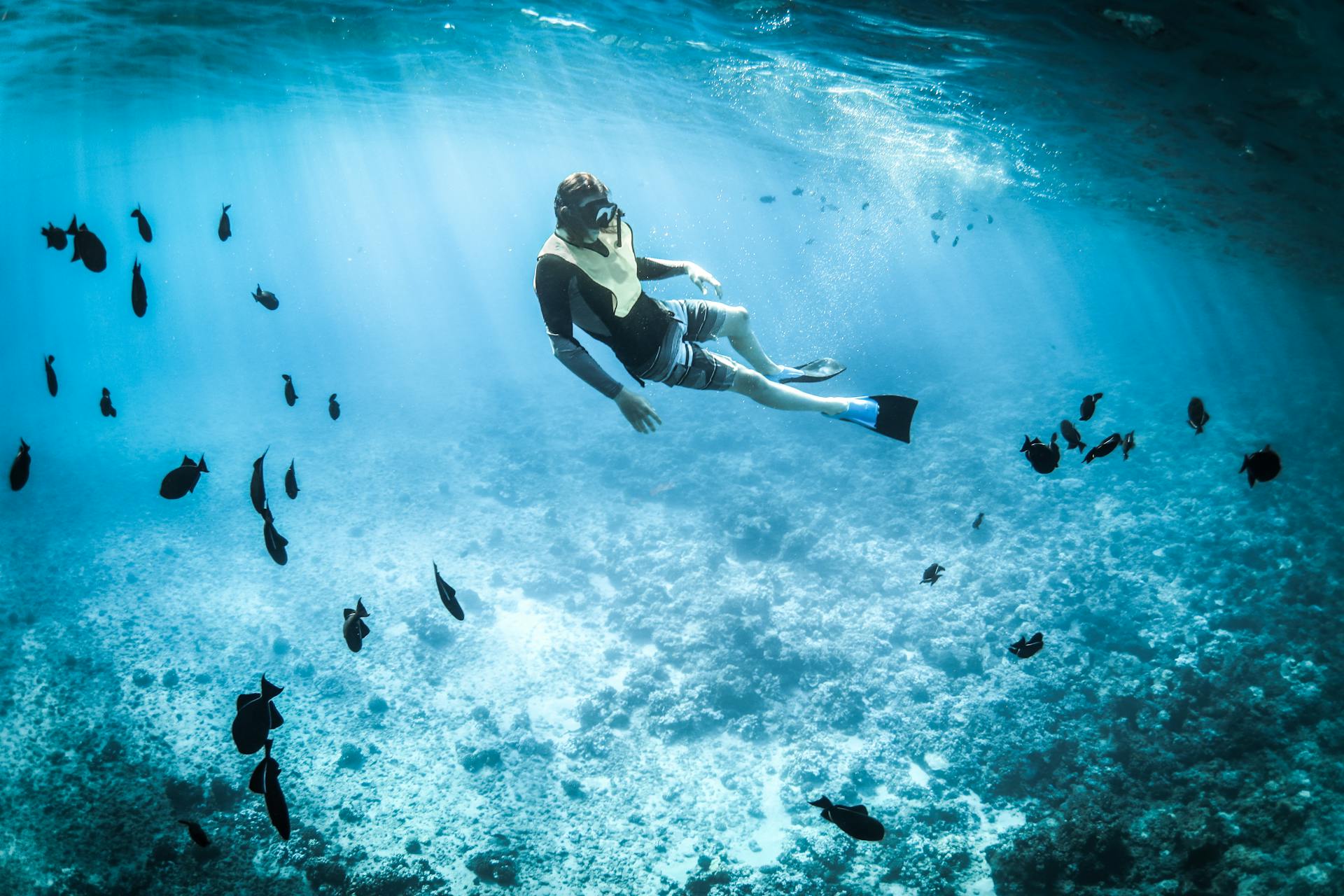
Is diving dangerous?
Scuba diving is an activity that attracts thousands of people around the world every year. From vibrant coral reefs to mysterious shipwrecks, divers explore underwater landscapes that few have the opportunity to see. However, a recurring question arises among first-time divers: is diving dangerous?
Understanding Danger in Diving
To answer this question, it is essential to understand the risks inherent in diving. Like any physical activity, diving carries certain dangers, but these can be managed and minimised with proper knowledge, training and caution. When someone asks if diving is dangerous, the answer is not a simple ‘yes’ or ‘no’, but depends on several factors, including the diver's preparation, the environmental conditions, the equipment used and of course, the dive centre with which you do the activity.
1. The Dive Center
Without any doubt the choice of the diving center is crucial. It is not the same to rent a diving equipment from a center that has the first brands of the market and above all that has the equipment well maintained and checked periodically, than another center where the equipment is neglected, looks worn and old.
In addition, it is highly recommended that the instructor who accompanies you into the water on the dive be a reliable and professional, as he/she is ultimately responsible for the effective implementation of the safety measures and for the management of the risks associated with the dive.
2. The Importance of Training
Another key factor in determining whether scuba diving is dangerous is the diver's level of training. Scuba diving is a technical activity that requires a clear understanding of the principles of underwater pressure, buoyancy, breathing and the use of scuba equipment. Diving certification organizations, such as SSI or PADI through dive centers located around the world, offer courses that teach these essential skills.
A well-trained diver knows how to handle emergency situations, such as running out of air, loss of buoyancy or a dive buddy in distress. The risk of danger in diving increases significantly when a person dives without proper training. Without the necessary preparation, a diver may find himself in situations where he does not know how to react, which can lead to serious accidents.
3. Environmental conditions
Environmental conditions also play a major role in diving safety. Strong currents, poor visibility, cold water or dangerous marine life are all factors that can increase the danger of diving. For example, underwater currents can drag a diver away from his or her group or exit point, which could lead to panic situations.
Reduced visibility, caused by suspended particles, can disorientate a diver and make it difficult to communicate with a buddy. Cold water, on the other hand, can lead to hypothermia if the right suit is not worn, which is another potential diving hazard. In addition, the presence of certain marine species, such as sharks or venomous jellyfish, can also pose a risk, although these encounters are rare and generally do not pose a great danger if proper protocol is followed.
Do you want more information about our diving activities?
3. Environmental conditions
Environmental conditions also play a major role in diving safety. Strong currents, poor visibility, cold water or dangerous marine life are all factors that can increase the danger of diving. For example, underwater currents can drag a diver away from his or her group or exit point, which could lead to panic situations.
Reduced visibility, caused by suspended particles, can disorientate a diver and make it difficult to communicate with a buddy. Cold water, on the other hand, can lead to hypothermia if the right suit is not worn, which is another potential diving hazard. In addition, the presence of certain marine species, such as sharks or venomous jellyfish, can also pose a risk, although these encounters are rare and generally do not pose a great danger if proper protocol is followed.
4. The Diving Equipment
Diving equipment, when used correctly, is what allows humans to explore the underwater world. However, malfunctioning equipment is a risk factor that can make diving dangerous. Regular maintenance of equipment, including the regulator, air tank, buoyancy control waistcoat (BC), mask and fins is vital.
For example, a failure of the regulator, which is the device that supplies air to the diver, can be life-threatening if you don't know how to fix it quickly and effectively.
When it comes down to it, a regulator can't fail at 20 metres underwater! Another risk associated with the equipment is overloading the air tank, which could cause an explosion, although this is extremely rare. Again, these dangers can be minimised with proper training and a thorough check of the equipment before each dive.
5. Decompression Injuries
One of the most discussed dangers in diving is decompression sickness. This occurs when a diver ascends too quickly without removing the residual nitrogen that the body has been absorbing as the dive depth increases, causing nitrogen bubbles to form in the body. This condition can be extremely painful and, in severe cases, can be fatal or even life-threatening.
To avoid this danger, divers should ascend slowly and make decompression stops as necessary, allowing the nitrogen to gradually dissipate from the body. Decompression sickness is a significant risk in deep diving or on multiple dives in a short period. However, by following decompression tables and safe diving guidelines, the danger in diving related to this condition can be drastically reduced.
6. Panic and Lack of Experience
Panic is one of the biggest enemies of divers. A diver who panics underwater may forget his or her training and make dangerous decisions, such as ascending too quickly or removing the mask. Panic is often related to inexperience, so it is crucial that novice divers practice in controlled conditions before tackling more challenging dives.
Advanced training and gradual accumulation of experience help develop the confidence to handle unforeseen situations without panicking. Experienced divers know how to stay calm and solve problems underwater, which greatly reduces the danger of diving.
7. Physical Preparation and Health
The physical fitness and general health of the diver are also critical factors in diving safety. Diving is a physical activity that requires endurance, strength and, most importantly, a healthy cardiovascular system. People with heart or lung problems may be at greater risk during diving, as physical exertion and underwater pressure can aggravate these conditions.
Before you start diving, it is advisable to undergo a medical examination to make sure that there are no pre-existing conditions that could make diving dangerous, especially if you are over 45 years old. In addition, it is important to stay in good physical shape, as this not only improves safety, but also the overall diving experience as well as air consumption during the dive.
8. The Importance of Planning
Good planning is essential to avoid dive hazards. This includes checking water conditions, planning the dive, preparing equipment, and creating an emergency plan in case something goes wrong. Never dive alone; having a dive buddy significantly increases safety, as there is always someone to help in case of an emergency.
Planning also includes setting personal limits and respecting them. Knowing and respecting one's own limitations, whether in terms of depth, time underwater or environmental conditions, is very important to minimise the danger of diving.
Conclusions on the dangers of diving
So, is diving dangerous? The answer is that it can be, but the risks can be managed with a combination of knowledge, choosing a good dive centre and preparation and respect for the marine environment. Danger in diving should not be underestimated, but neither should it be an impediment to enjoying this amazing activity. By following safety guidelines, receiving proper training, and maintaining a conscientious and respectful attitude, divers can enjoy a safe and wonderful underwater experience.
Scuba diving opens a window into a hidden world full of natural wonders, but as with any adventure, preparation and caution are key to keeping the dangers of diving under control. For those who take the time to learn and respect the rules of diving, the risks become manageable, allowing underwater exploration to be an unforgettable and safe experience.


Leave a Reply