


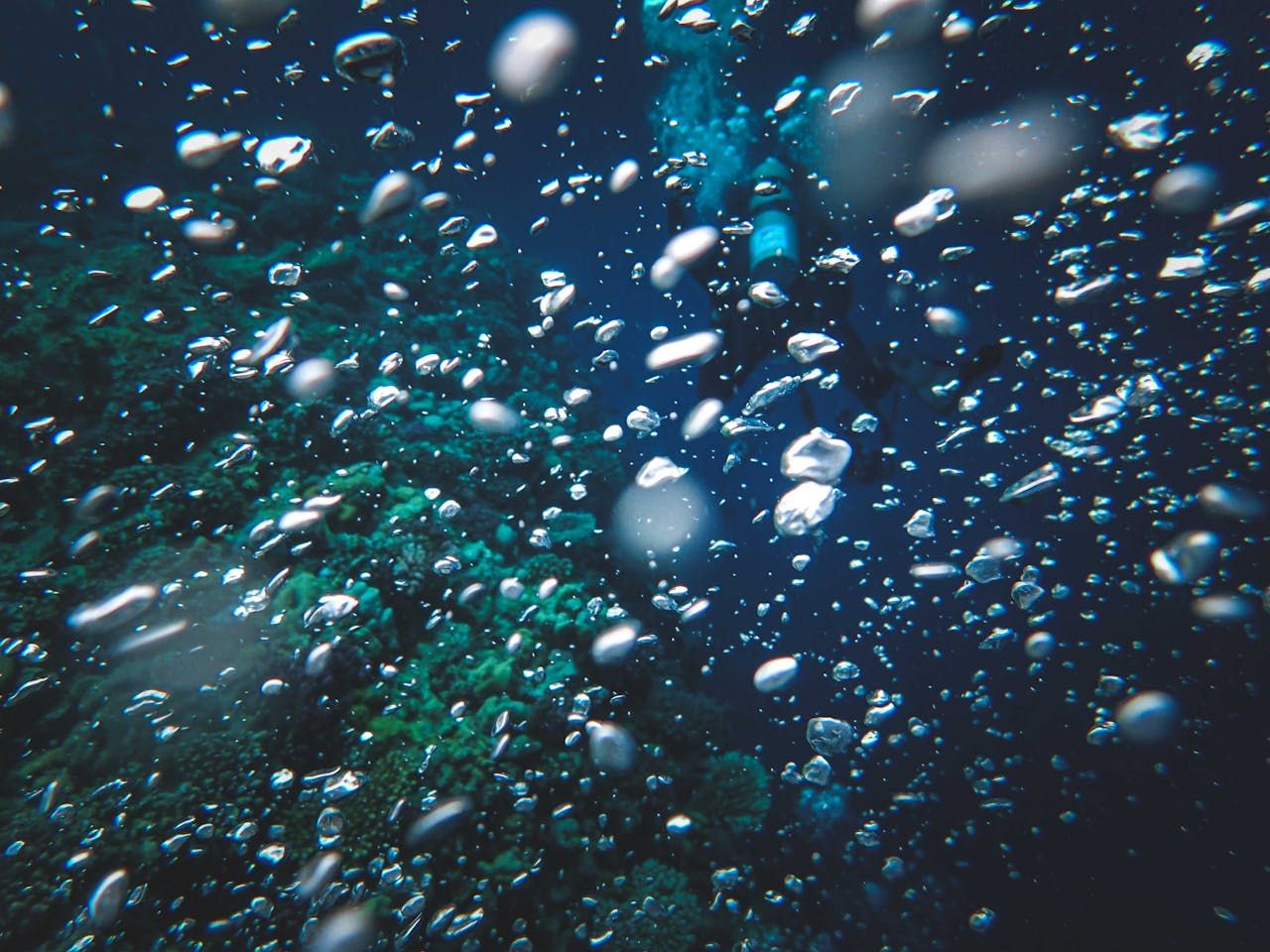
Discover How to Become a Diver
Complete Guide to Diving for Beginners
Scuba diving is one of the most exciting and fascinating activities you can do. It allows you to explore the underwater world, interact with marine wildlife and enjoy underwater landscapes that few people get the chance to see. If you've ever wondered how to become a scuba diver, this article is for you. Here we will guide you step by step through the process of becoming a certified diver, from the first courses to improving your skills, and give you all the advice you need to live this adventure safely and responsibly.
What does it mean to be a diver?
Before exploring the details of how to become a diver, it is important to understand what it means to be one. A diver is someone who, using specialised equipment, can dive into the water to explore the underwater world. There are different levels of diving, from the recreational diver, who enjoys diving on holiday or in their leisure time, to the professional diver, who works in the diving industry, research or rescue.
Becoming a diver involves learning how to handle scuba diving equipment, knowing the basic principles of water physics and acquiring the necessary skills to move safely underwater. It is not only an exciting activity, but also an enriching experience that allows you to develop a greater sensitivity to the marine environment.
Step 1: Find a Certified Dive Centre
The first step on the road to becoming a diver is to find a certified dive centre that offers quality courses. The most recognised international organisations, such as PADI (Professional Association of Diving Instructors) CMAS (World Confederation of Underwater Activities) or SSI (Scuba Schools International), are responsible for setting the safety and training standards for divers worldwide. Make sure the dive centre you choose is accredited by one of these organisations.
These centres usually offer different types of courses, from beginner courses for beginners to advanced programmes for experienced divers. Ideally you should start with the basic certification course, known as Open Water Diver, which will allow you to dive to a depth of up to 18 metres anywhere in the world.
How to find a good dive centre?
In our section ‘how to choose a dive centre’ we explain you all the keys. Research is key to selecting the right place. Read online reviews, check opinions from other divers and make sure the centre follows safety standards. A good centre not only cares about teaching you how to be a diver, but will also make sure you do it safely and responsibly.
Step 2: Enrolling in the Open Water Diver Course
The next fundamental step in the process of becoming a diver is to enrol in the Open Water Diver course. This course is the gateway to recreational diving and is designed for beginners with no previous experience. Throughout the course, you will learn the basic skills you need to dive safely and effectively.
The course is generally divided into three parts:
- Theory: You'll learn the fundamentals of diving, including the physical laws that affect divers, how to plan a dive and how to handle equipment. Some of this theory material can be studied online or through books, and then you'll complete an exam to verify that you understand the key concepts.
- Confined water training: These sessions take place in a pool or on a beach, where you will do different exercises, such as practising the use of the equipment and learning basic skills like cleaning the mask underwater, sharing air with a buddy and buoyancy control.
- Open water dives: The most exciting part of the course is to make several dives in the sea or in a lake, where you will put into practice everything you have learnt in a real environment. These dives (2 to a maximum depth of 12 metres and 2 to a depth of 18 metres) are usually done in small groups under the direct supervision of a certified instructor.
Do you want more information about our diving activities?
Step 3: Obtain Open Water Diver Certification
At the end of the course, you will have demonstrated that you have the skills necessary to dive independently and safely to a depth of 18 metres. With Open Water Diver certification, you are officially qualified to dive anywhere in the world. This is an essential step on the path to becoming a diver and opens the door to a wide range of recreational diving opportunities.
Certification has no expiry date, but regular diving is recommended to maintain your skills. You can also take additional courses if you wish to improve your level or learn specific specialties.
Step 4: Continue your training with Advanced Courses
Diving is an activity that offers many opportunities for personal growth and development. Once you have completed the Open Water Diver course, there are many other advanced courses you can take to improve your skills and explore different types of diving. These courses are key to continuing your journey in becoming a diver.
Some popular options include:
- Advanced Open Water Diver: This course allows you to deepen your diving knowledge and experience. You will learn to dive in deeper water (up to 30 metres) and to make dives where you will develop other skills such as navigation, buoyancy, wreck diving, night diving, etc.
- Rescue Diver: In this course you will learn how to handle emergency situations and how to help other divers in trouble. It is an excellent option for those who want to improve their safety skills.
- Nitrox Diving: This course teaches you to dive using a gas mixture enriched with oxygen, which can increase bottom time on deep dives.
- Underwater Photography: If you love capturing special moments underwater, this course is ideal for you. You will learn the techniques needed to take quality photos in underwater environments.
These courses will not only help you improve your underwater skills, but will also give you a deeper understanding of the marine environment and increase your opportunities to explore new challenges.
Step 5: Maintaining your Diving Skills
Once you have learned how to become a diver, it is important to practice regularly to maintain your skills. If you don't dive often, you can lose skills and confidence underwater. Many dive centres offer refresher programmes to refresh your knowledge if you haven't dived in a while.
In addition, being part of a diving community can help you maintain your passion for diving. Joining a dive club or attending dive-related events can offer opportunities to make regular dives and share experiences with other divers.
Step 6: Consider Professional Diving
If you are passionate about diving and want to take your career to the next level, you can choose to become a professional diver. To do this, you will need to obtain advanced certifications and complete specialised training, such as becoming a Divemaster or Dive Instructor.
The Divemaster course is the first step into professional diving, allowing you to guide other divers and assist instructors during lessons. If you decide to become a Dive Instructor, you will be able to teach others how to learn to be a diver and share your love of the ocean with new students.
Step 7: Be a Responsible and Sustainable Diver
A fundamental part of learning how to be a diver is to dive responsibly and respectfully with the marine environment. Sustainable diving is crucial to protect coral reefs and marine wildlife from damage caused by human activity. Always remember:
- Do not touch corals and marine life.
- Maintain good buoyancy control to avoid hitting the ocean floor.
- Participate in ocean clean-up activities or conservation projects if possible.
Being a responsible diver not only enhances your diving experience, but also helps preserve underwater ecosystems for future generations.
Conclusion: The Fascinating Path to Becoming a Diver
Becoming a diver is a transformative experience that allows you to explore the incredible underwater world and enjoy a new perspective on the ocean. By following the steps in this guide to becoming a diver, you will be well prepared to begin your underwater adventure safely and responsibly. From choosing your initial course to constant practice, each step will bring you closer to becoming a passionate and competitive diver.
Whether you are a beginner and want to approach the world of diving for the first time, or if you are already advanced and want to dedicate yourself to diving professionally, at ODYSEA you can access any type of diving courses, we train and guide you so that you can enjoy this wonderful world that we are so passionate about.


Leave a Reply